
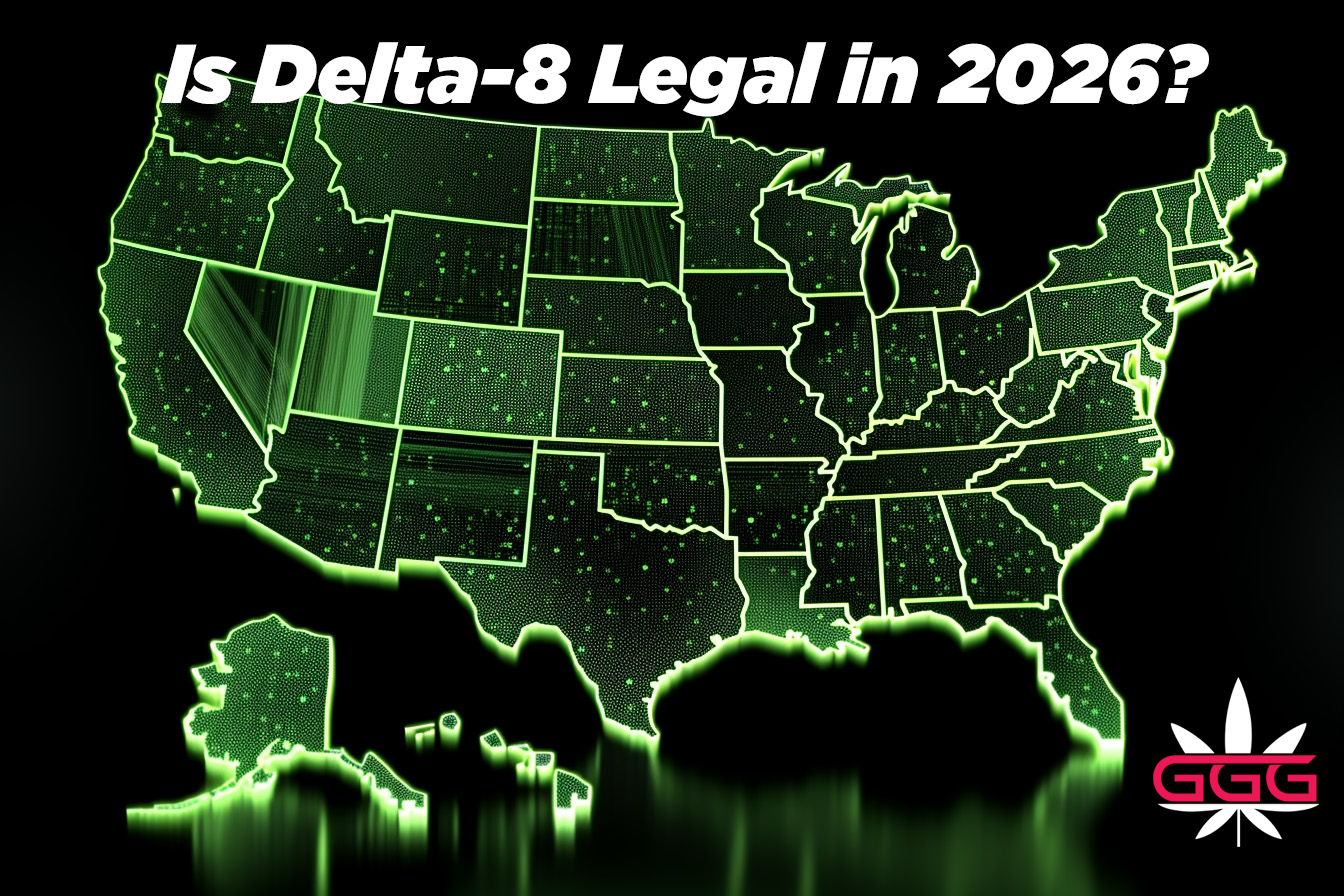
Is Delta-8 Legal Under Federal Law?
Delta-8 THC has become one of the most discussed hemp-derived cannabinoids in recent years. But with shifting regulations and state-level updates, one question continues to dominate search traffic:
Is Delta-8 legal in 2026?
The answer isn’t a simple yes or no. It depends on federal law, state law, and how products are manufactured and sold.
This guide breaks it down clearly so you can understand what’s happening nationally — and what it means for consumers.
This article is part of our Hemp-Derived THC Guide.
The Federal Foundation: The 2018 Farm Bill
Delta-8’s legal status largely stems from the Agricultural Improvement Act of 2018, commonly called the 2018 Farm Bill.
This legislation federally legalized hemp and hemp-derived products as long as they contain:
No more than 0.3% Delta-9 THC by dry weight
Importantly:
- The bill specifically addresses Delta-9 THC limits.
- It does not directly mention Delta-8 THC.
- Hemp-derived cannabinoids other than Delta-9 fall into a legal gray area.
Because Delta-8 can be derived from hemp and kept within the 0.3% Delta-9 threshold, many companies began producing compliant Delta-8 products under this framework.
Why Delta-8 Became a Legal Gray Area
Delta-8 exists naturally in hemp in very small amounts. Most commercial Delta-8 products are created through a conversion process from hemp-derived CBD.
This manufacturing step led to regulatory questions:
- Is converted Delta-8 considered synthetic?
- Does the Farm Bill cover it?
- Can states regulate it independently?
As a result, legality varies by state.
Is Delta-8 Federally Legal in 2026?
As of 2026:
- Hemp-derived cannabinoids remain federally legal if compliant with the 0.3% Delta-9 THC limit.
- There has not been a blanket federal ban on Delta-8.
- However, regulatory discussions continue at both federal and state levels.
It’s important to understand that federal legality does not override state authority.
State-by-State Variations
Delta-8 laws differ across the country. States generally fall into one of three categories:
Spotlight: Texas and Delta-8
Texas has been a key state in Delta-8 discussions.
Over the past several years:
- Delta-8 has faced attempted restrictions.
- Legal challenges have kept hemp-derived Delta-8 products available under certain conditions.
- Regulatory clarity has evolved through court rulings.
As of 2026, Texas continues to allow compliant hemp-derived products under state hemp law, though regulatory scrutiny remains high.
For consumers, this means purchasing from transparent brands that prioritize compliance and testing is essential.
What Makes a Delta-8 Product Legal?
Several factors determine compliance:
- Derived from federally compliant hemp
- Contains less than 0.3% Delta-9 THC by dry weight
- Proper labeling
- Lab testing documentation
- Adherence to state packaging and safety regulations
Products that meet these criteria are generally considered compliant in states where Delta-8 is allowed.
The Importance of Lab Testing
Because of regulatory scrutiny, third-party lab testing is critical.
A compliant Delta-8 product should provide:
- Cannabinoid profile
- Delta-9 THC percentage confirmation
- Contaminant screening (heavy metals, pesticides, solvents)
Transparency helps ensure both legality and consumer safety.
Why Laws Keep Changing
The cannabinoid industry evolves quickly. As consumer interest grows, states reassess:
- Public safety policies
- Manufacturing standards
- Retail requirements
- Age restrictions
This dynamic environment is why legal updates continue to appear in headlines.

What This Means for Consumers
If you’re considering Delta-8 in 2026:
- Check your state’s regulations.
- Purchase from reputable sources.
- Confirm lab compliance.
- Understand local retail laws.
Staying informed protects both your safety and your rights as a consumer.
Is Delta-8 Going to Be Banned Nationwide?
There is no confirmed nationwide ban in place.
However:
- Regulatory discussions continue.
- Agencies may update guidance.
- State legislatures may adjust policies.
Consumers should follow credible news sources and company transparency updates.
FAQ: Delta-8 Legality
Is Delta-8 federally legal?
Hemp-derived Delta-8 exists under federal hemp guidelines if compliant with the 0.3% Delta-9 THC limit.
Is Delta-8 legal in every state?
No. State laws vary significantly.
Can Delta-8 be shipped nationwide?
Shipping depends on compliance and destination state laws.
Is Delta-8 considered synthetic?
The classification debate exists, but legal interpretations vary by jurisdiction.
Final Thoughts on Delta-8 in 2026
Delta-8 occupies a unique position in the hemp industry. It sits at the intersection of federal hemp law and state regulatory authority.
While it remains accessible in many parts of the country, understanding your state’s stance is critical.
The key takeaway:
Legality depends on compliance and location.
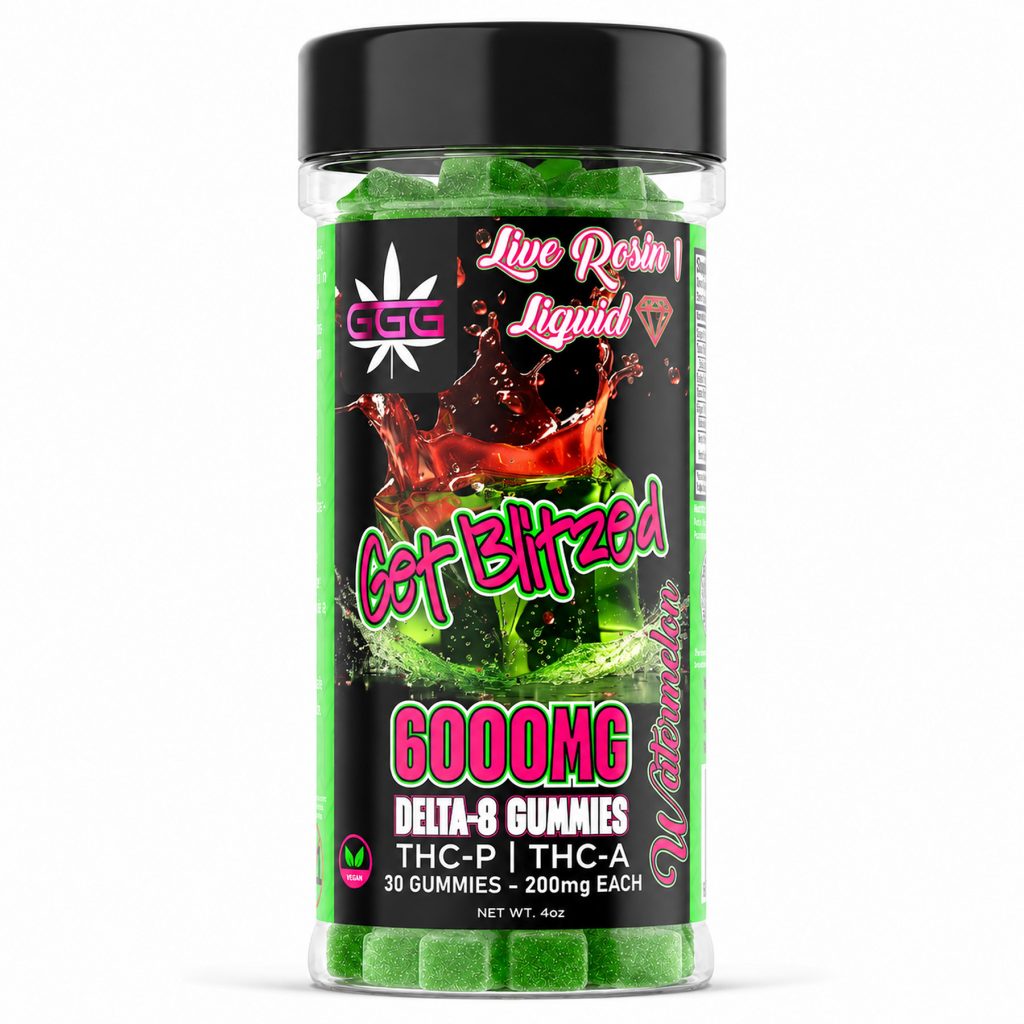
D8 6000mg Gummies
Introducing our groundbreaking Delta-8 THC, THC-P, and THC-A infused gummies, the pinnacle of relaxation and enjoyment. With an unparalleled 6000mg potency (200mg per gummy) in each 30ct jar, they offer an unbeatable experience.
Crafted with 11 years of industry expertise, these gummies are a testament to our commitment to quality. Never sprayed, only infused, they’re meticulously crafted in an FDA registered facility for your peace of mind. Get Blitzed naturally with each delicious bite, experiencing the next generation of Delta-8 gummies. Indulge in care, precision, and blissful relaxation with every chew!

🌿 Responsible Consumer Tip
If you choose to explore hemp-derived Delta-8:
- Verify lab testing
- Confirm state compliance
- Choose reputable brands
- Stay updated on evolving regulations
Informed consumers make better decisions.
Non-intoxicating alternatives: CBG vs CBD